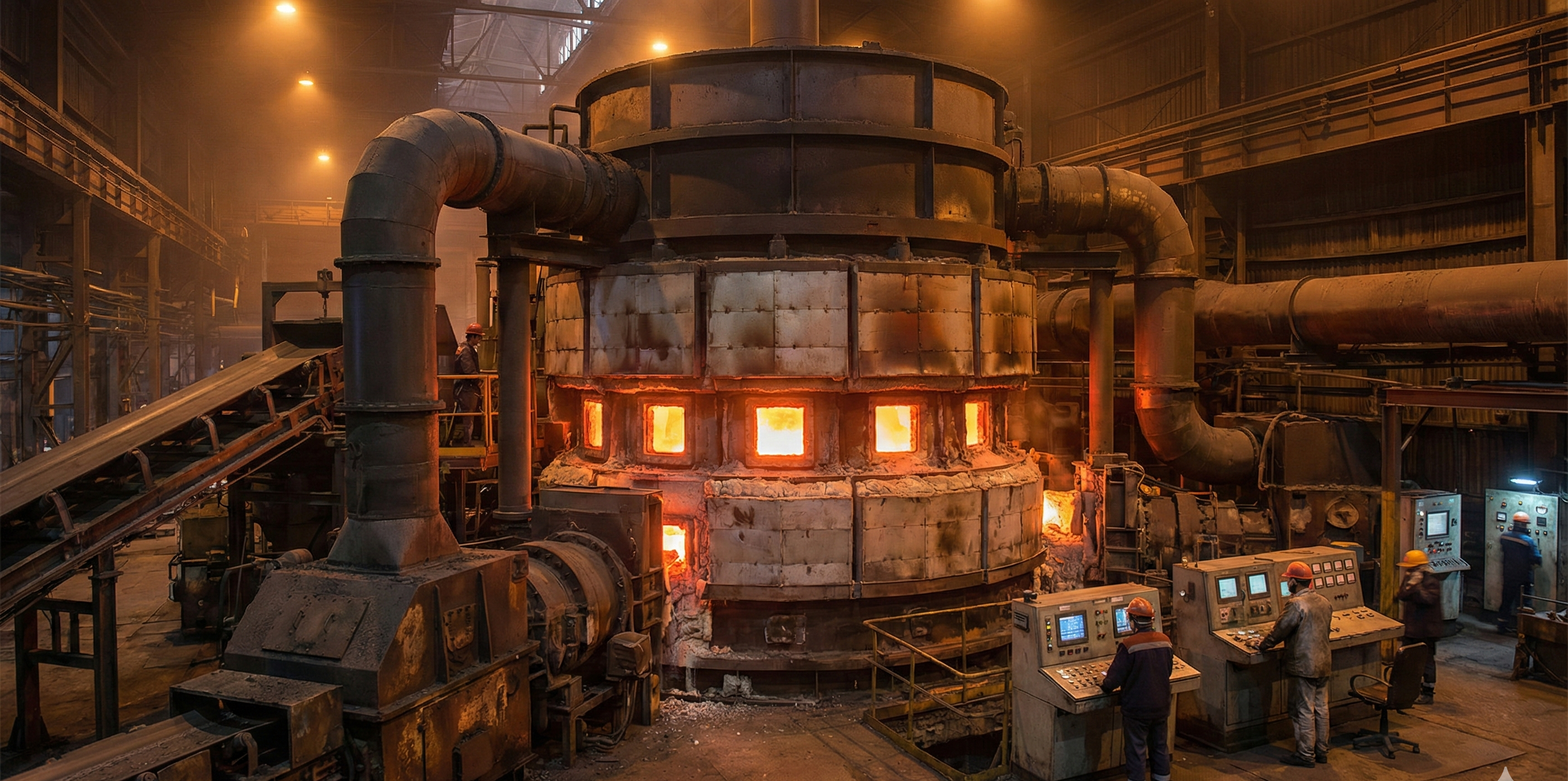
Regenerating spent activated carbon restores adsorption capacity and reduces lifecycle costs and waste. Thermal reactivation is the most common industrial method: spent carbon is heated in controlled oxygen-free conditions to desorb adsorbed organics and restore porosity. Chemical and biological reactivation methods exist but are more specialized and applied to specific contaminant types.
Not all spent carbon is suitable for regeneration; metals, high ash loads or irreversible chemisorbed species limit recovery. Effective regeneration also depends on proper handling and pre-treatment—removing excess fines and moisture helps protect reactivation furnaces and improve yield. Laxmi International advises clients on when to regenerate versus replace and provides access to partners offering reactivation services.
Benefits include lower procurement expense, reduced landfill usage, and conserving feedstock resources. However, marginal declines in mechanical strength and pore changes can occur after multiple cycles, so performance monitoring post-regeneration is essential. We provide testing protocols to verify regenerated carbon meets required adsorption performance.
For clients evaluating regeneration, Laxmi International can perform cost-benefit analyses, coordinate reactivation logistics, and ensure reactivated carbon meets COA specifications for reuse in filtration systems.